From Tropic Shrub to Global Crop: The Castor Oil Plant's Journey
The journey of the
castor oil plant, scientifically known as *Ricinus communis*, is a fascinating tale of transformation. What began as a robust perennial shrub thriving in the sun-drenched landscapes of the southeastern Mediterranean Basin, Eastern Africa, and India, has evolved into a global agricultural powerhouse. Today, this remarkable species is cultivated across tropical and subtropical regions worldwide, celebrated not just for its striking ornamental appeal but, more importantly, for its seeds – the invaluable source of castor oil, a versatile product essential to countless industries, medicines, and cosmetic formulations. Its distinctive appearance, characterized by impressive, deeply lobed leaves and unique spiny seed pods, makes it instantly recognizable, embodying both beauty and profound utility.
The Remarkable Anatomy of *Ricinus communis*
At the heart of the
castor oil plant's global success lies its unique botanical profile. Belonging to the diverse Euphorbiaceae family, *Ricinus communis* is a botanical marvel that can vary significantly in stature. While often seen as a vigorous shrub in gardens, in optimal conditions, particularly in its native tropical climes, it can astonishingly mature into a tree-like structure, reaching impressive heights of up to 12 meters (40 feet). This rapid growth and imposing presence contribute to its ornamental allure, making it a dramatic focal point in suitable landscapes.
Its foliage is arguably its most striking feature: large, palmate leaves, often measuring 15–45 centimeters (6–18 inches) in diameter, radiating outwards with deep, star-like lobes. These leaves come in a vibrant spectrum of colors, from lush green to deep bronzes and purples, adding to its visual drama. However, the true treasure of the
castor oil plant is found within its spiky, globular capsules, each typically housing three distinct seeds. These seeds are the primary source of the highly sought-after castor oil. Yet, they also harbor a potent secret: ricin, a highly toxic protein that necessitates meticulous processing to ensure the safety and purity of the extracted oil. This duality of immense value and inherent danger defines much of the plant's story.
Cultivating the Castor Oil Plant: Ideal Conditions for Growth
Successful cultivation of the
castor oil plant hinges on understanding its specific environmental preferences. To maximize seed production and ensure healthy growth, growers must provide conditions that closely mimic its native tropical and subtropical habitats.
*
Temperature is Paramount: *Ricinus communis* thrives in warmth, preferring consistent temperatures ranging from 20°C to 30°C (68°F to 86°F). While it can tolerate brief periods of cooler weather, prolonged exposure below 10°C (50°F) can severely stunt its development. Crucially, the plant is extremely sensitive to frost, which can cause significant damage or even kill young plants, making it an ideal choice for regions blessed with mild winters and extended growing seasons.
*
Abundant Sunlight: For optimal photosynthesis and robust growth, the
castor oil plant demands full sun exposure. This means it requires at least six to eight hours of direct sunlight every day. Placing it in a shaded area will likely result in leggy growth, reduced vigor, and diminished seed yield.
*
Well-Drained Soil: While resilient and adaptable to a range of soil types, *Ricinus communis* performs best in well-drained soil. This prevents waterlogging, which can lead to root rot and other fungal diseases. Rich, fertile loamy soils are ideal, offering both good drainage and sufficient nutrients. Amendments like compost can significantly improve soil structure and fertility.
*
Water Management: Despite being relatively drought-resistant once established, particularly in hot climates, consistent moisture is beneficial for maximizing seed production. Regular watering, especially during dry spells and the plant's active growth phases, will support larger plants and a more abundant harvest. However, caution must be exercised to avoid overwatering.
Cultivating this fascinating species involves a delicate balance of providing ideal conditions while managing its inherent risks. For a deeper dive into optimizing your harvest, explore our guide on
Castor Oil Plant Cultivation: Secrets to Optimal Growth & Seed Yield.
Beyond the Shrub: The Versatile Applications of Castor Oil
The true economic and functional significance of the
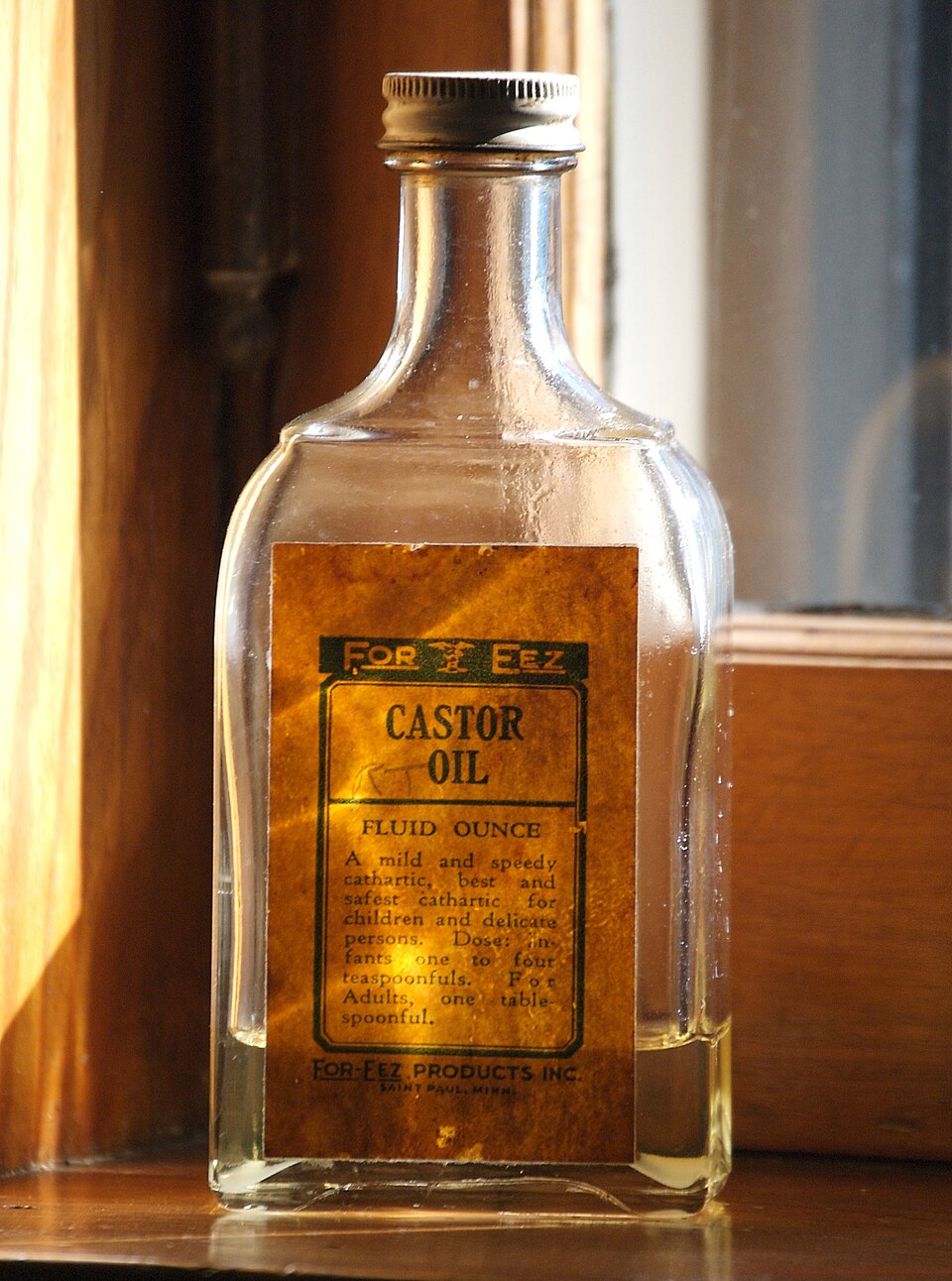
castor oil plant lies in its namesake product: castor oil. Once the oil-rich seeds are harvested, they undergo a rigorous cold-pressing and refining process that safely extracts the oil while eliminating the toxic ricin. This result is a pale yellow, viscous liquid with an incredibly diverse range of applications.
*
Industrial Powerhouse: Castor oil's unique chemical composition, particularly its high ricinoleic acid content, makes it indispensable across numerous industries. It serves as a superior lubricant for high-performance engines (including jet aircraft), a key ingredient in hydraulic fluids, brake fluids, and coatings. Furthermore, it's used in the production of plastics, nylon, synthetic resins, paints, dyes, and even advanced biofuels, highlighting its role in sustainable technology.
*
Medicinal and Pharmaceutical Uses: Historically, castor oil has been revered in traditional medicine systems across the globe for its therapeutic properties. Modern medicine recognizes it primarily as a potent stimulant laxative, effective for relieving constipation. Its anti-inflammatory and analgesic properties also find application in topical treatments for joint pain and muscle aches, and it has been explored for its wound-healing capabilities.
*
Cosmetic and Personal Care Staple: In the beauty and wellness industry, castor oil is a celebrated ingredient. Its rich emollient and moisturizing properties make it a popular component in a wide array of products, including soaps, lotions, shampoos, conditioners, lip balms, and makeup. It's particularly lauded for its purported ability to promote hair growth and strengthen eyelashes and eyebrows, adding a natural boost to beauty routines.
The global demand for castor oil underscores its immense economic value, transforming the *Ricinus communis* from a mere shrub into a pivotal global commodity, particularly for major producers like India. To understand the broader implications of its market, delve into
Castor Oil Plant: Economic Value, Striking Beauty, and Ricin Risk.
Navigating the Double-Edged Sword: Safety and Environmental Considerations
While the benefits of the
castor oil plant are undeniable, it's imperative to approach its cultivation and interaction with a clear understanding of its inherent risks. The plant's dual nature – offering immense utility while harboring potent toxicity – necessitates careful consideration.
*
The Ricin Factor: The presence of ricin in the seeds is the primary safety concern. Ingesting even a small number of raw castor beans can be lethal to humans and animals. Symptoms can range from nausea, vomiting, and abdominal pain to internal bleeding, kidney failure, and death. It is crucial to remember that while processed castor oil is safe, the raw seeds and plant material containing ricin are extremely dangerous.
*
Safe Handling and Placement: For home gardeners drawn to its ornamental beauty, extreme caution is advised. Plants should be located in areas inaccessible to curious children and pets. When handling the seeds or any part of the plant, wearing gloves is recommended, and always wash hands thoroughly afterward. Proper disposal of all plant waste is also vital to prevent accidental ingestion.
*
Invasive Potential: In certain warm, favorable climates outside its native range, the
castor oil plant can exhibit invasive tendencies. Its rapid growth rate and prolific seed production allow it to naturalize quickly, potentially outcompeting native flora and disrupting local ecosystems. Gardeners should research local regulations and invasive species lists before planting *Ricinus communis* and consider responsible cultivation practices, such as removing spent seed pods to prevent uncontrolled spread.
*
Ornamental Appeal vs. Risk Assessment: The striking foliage and dramatic growth habit undoubtedly lend *Ricinus communis* significant ornamental value, making it a favorite for adding a touch of the exotic to gardens. However, this aesthetic appeal must always be weighed against the very real safety concerns. Informed decision-making and strict safety protocols are essential for anyone considering introducing this beautiful yet dangerous plant into their environment.
Conclusion
The journey of the
castor oil plant from a tropical shrub to a global crop is a testament to nature's incredible capacity for both utility and complexity. *Ricinus communis* stands as a unique botanical entity, simultaneously a source of indispensable oil for diverse industries, a time-honored medicinal remedy, and a visually stunning ornamental specimen. Yet, its story is also a powerful reminder of the delicate balance we must maintain with the natural world, demanding respect for its potent toxicity alongside appreciation for its myriad benefits. Understanding this plant means acknowledging its remarkable contributions while diligently managing its inherent risks, ensuring its journey continues to be one of sustainable utility and informed coexistence.